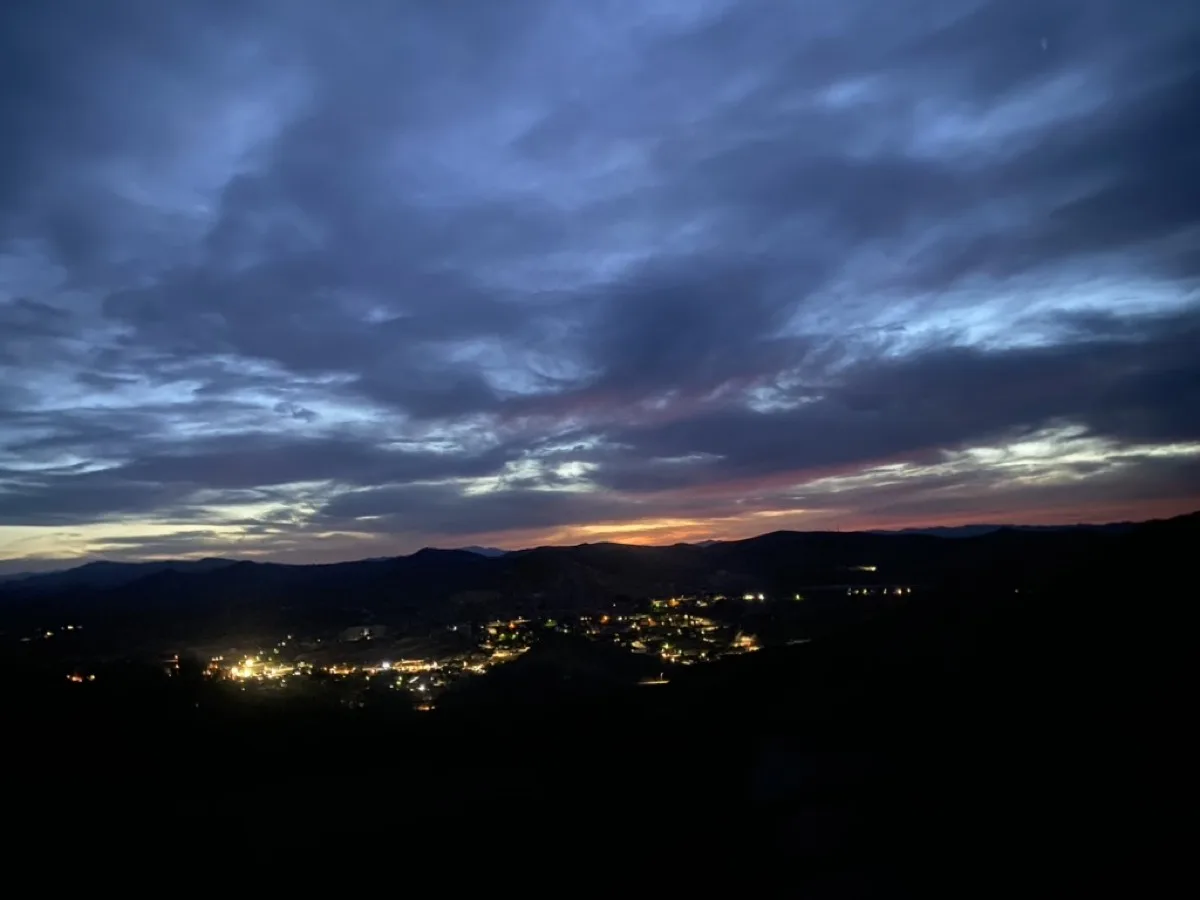
Brock Mountain Summit
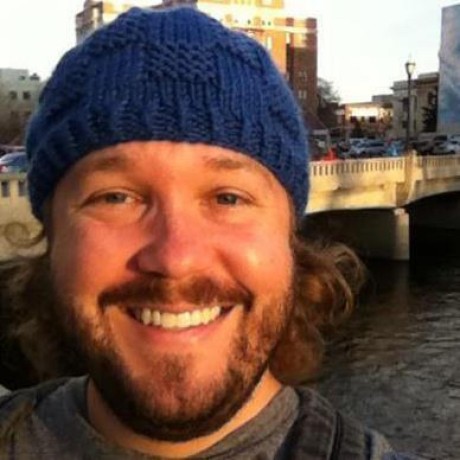
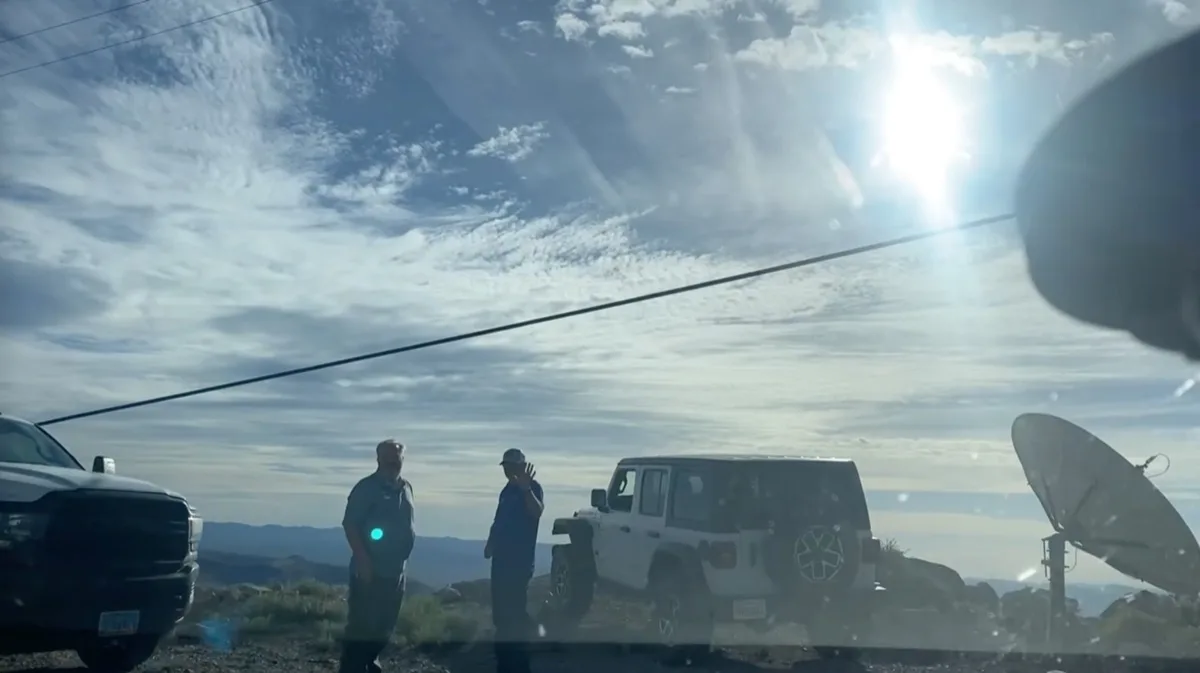
I recently spent some time up on Brock Mountain here in Tonopah, Nevada, for the annual Brock Mountain Users Group Summit. There were about 20 of us in attendance, representing the Department of Energy, the Nevada Department of Transportation, the FAA, and several private infrastructure companies. It was my first time in a room quite like that, and it was incredibly educational.
The Fresh Eyes Audit
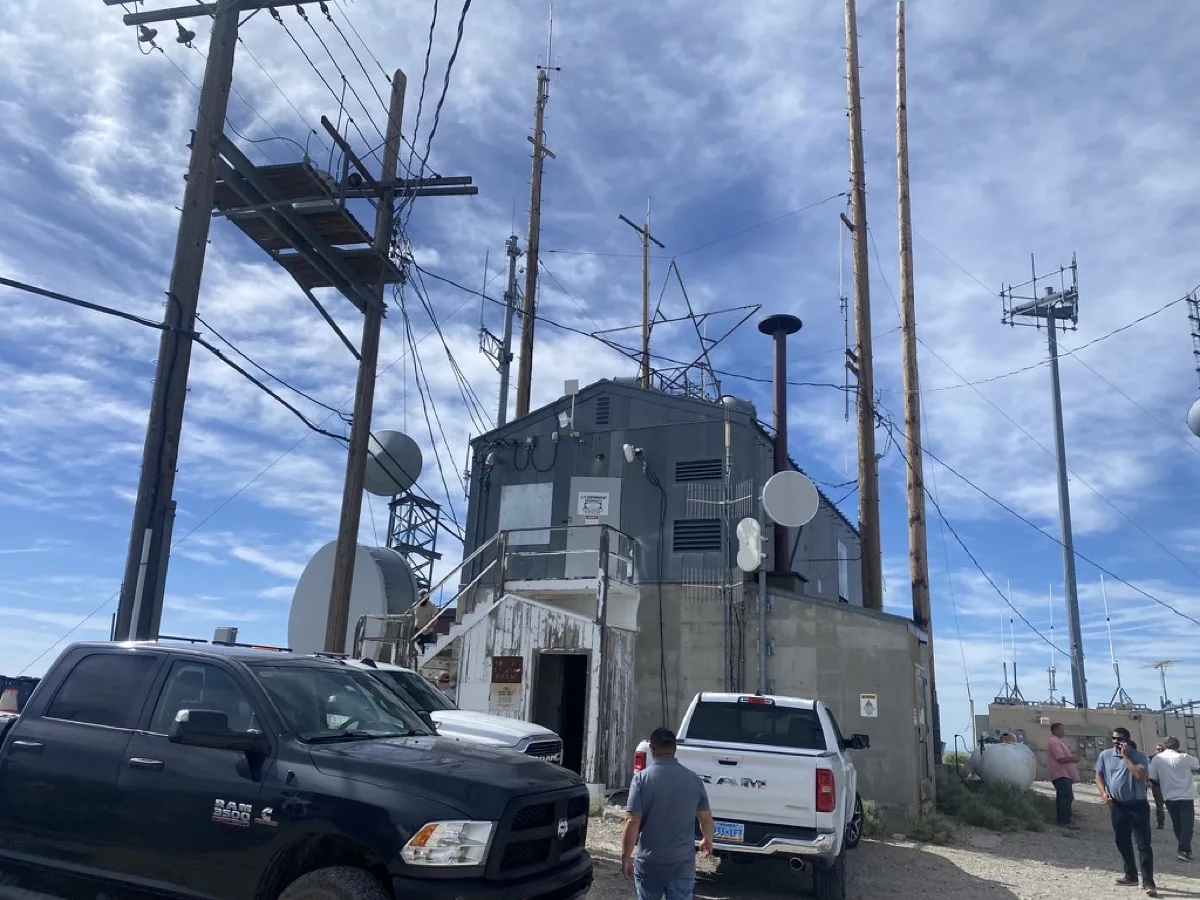
One of the main activities of the summit was going over site audit sheets. The group has an elegant peer-review system where everyone audits each other's sites. They find it is much easier for a fresh set of eyes to spot problems that the owner might have grown blind to. If you spot a problem, you document it on the sheet, and the site owner has an opportunity to resolve the issue and bring their installation back into compliance.
During our rounds, we found several instances of improper documentation. More importantly, we spotted occasional repair and maintenance items caused by weathering throughout the year. High-altitude peaks take a serious beating from the Nevada elements, and things inevitably degrade over twelve months of exposure.
Mac and Cheese vs. Heavy Industry
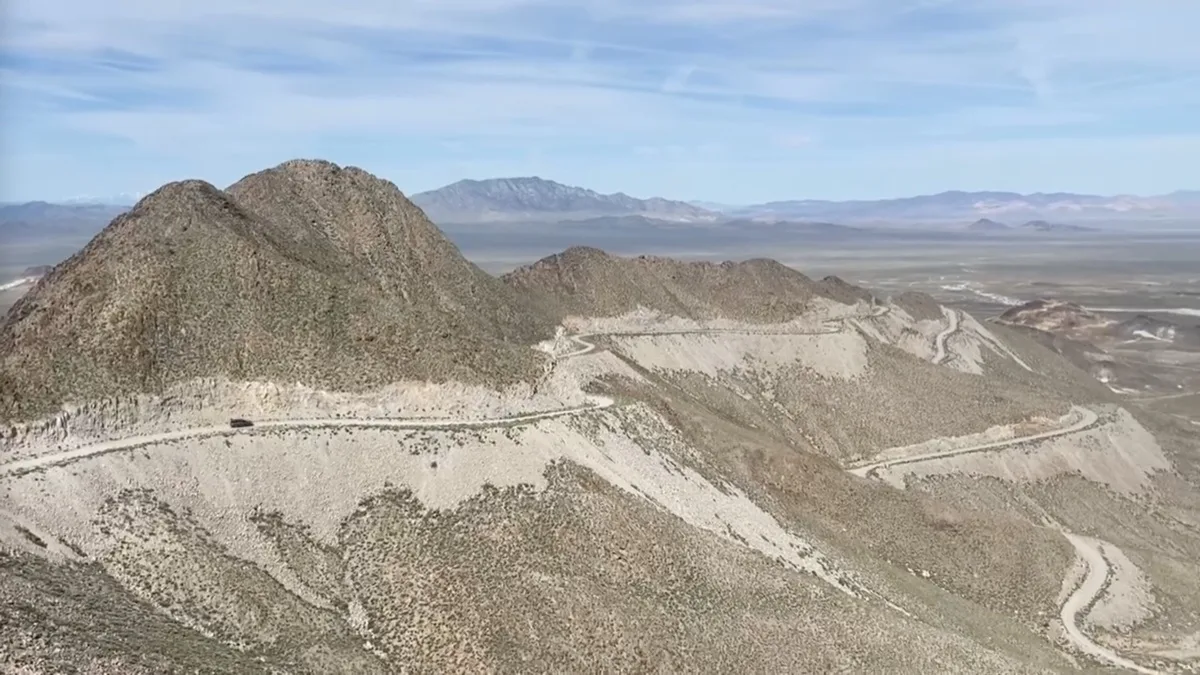
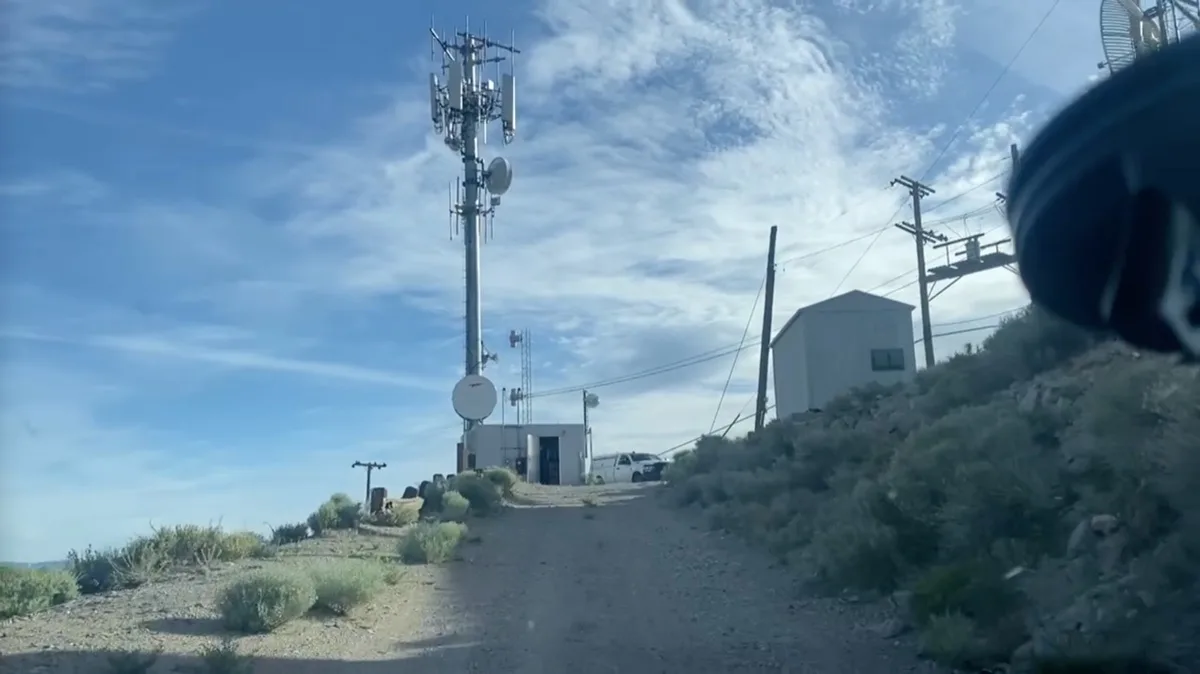
Seeing these massive, industrial installations really put what we are doing into perspective. These sites are heavy-duty. They have massive diesel generators, heavy steel cabinets, and everything is bolted deeply into the concrete and bedrock. It is serious, heavy-duty industrial engineering.
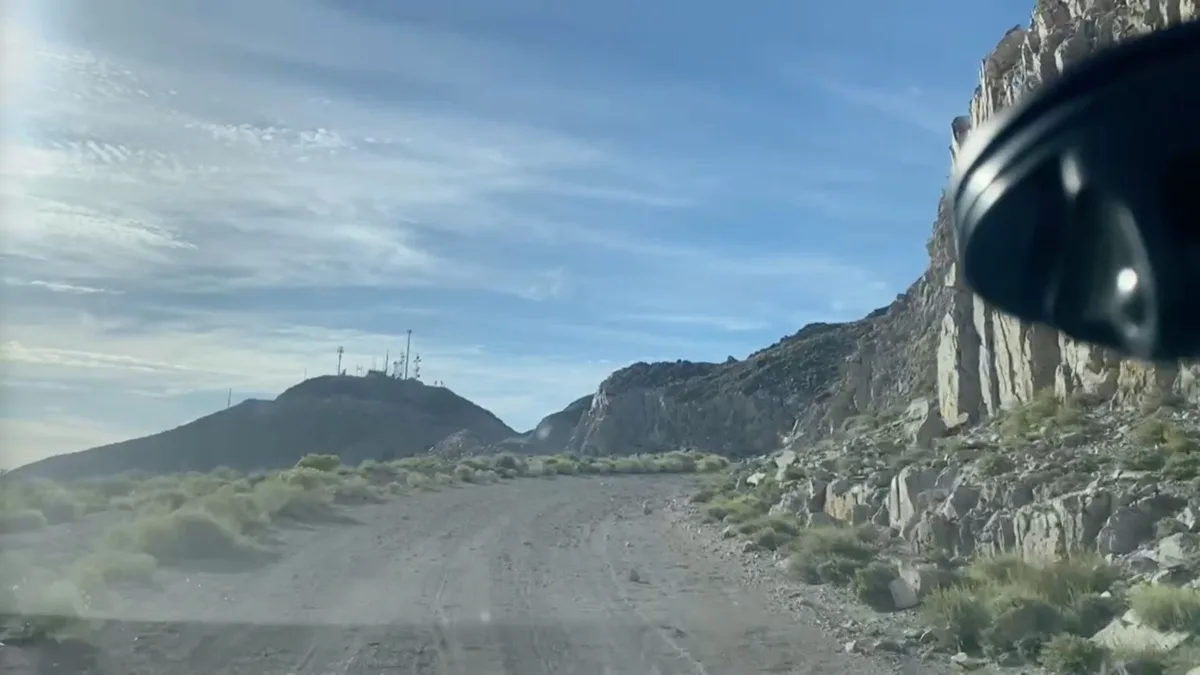
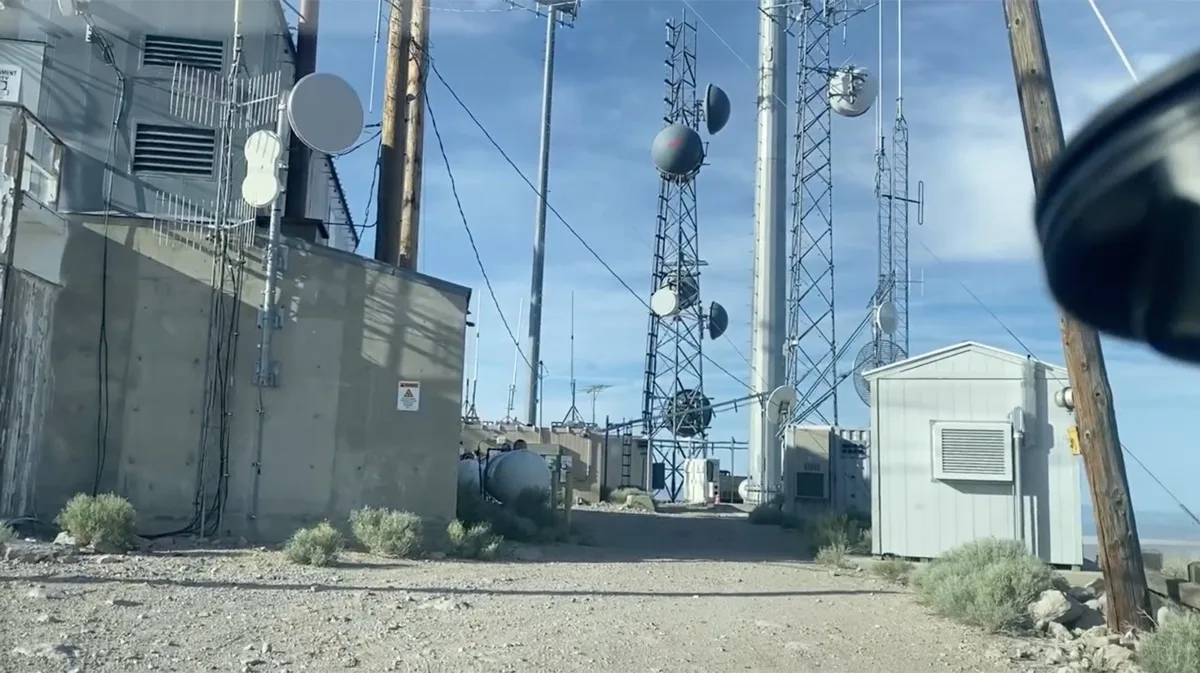
And then there is us, walking around with little LoRa nodes that are literally the size of a box of macaroni and cheese, deploying them all over the state.
Ours are completely self-contained and require no generators. Our setups are so low impact that they represent a completely different kind of innovation. Every once in a while, a suite of technical breakthroughs coalesces into a really elegant solution for an old problem. Even when all the constituent parts have been around for years, a single new technology, like the LoRa chip, will come along and tie those disparate pieces of technology together. Suddenly, you have a solution with a level of elegance that was previously not achievable.
Respecting the Towers
Of course, the use cases are not quite the same. We are not trying to broadcast high-power commercial signals across the basin. But I am still incredibly grateful to learn how this high-end equipment operates.
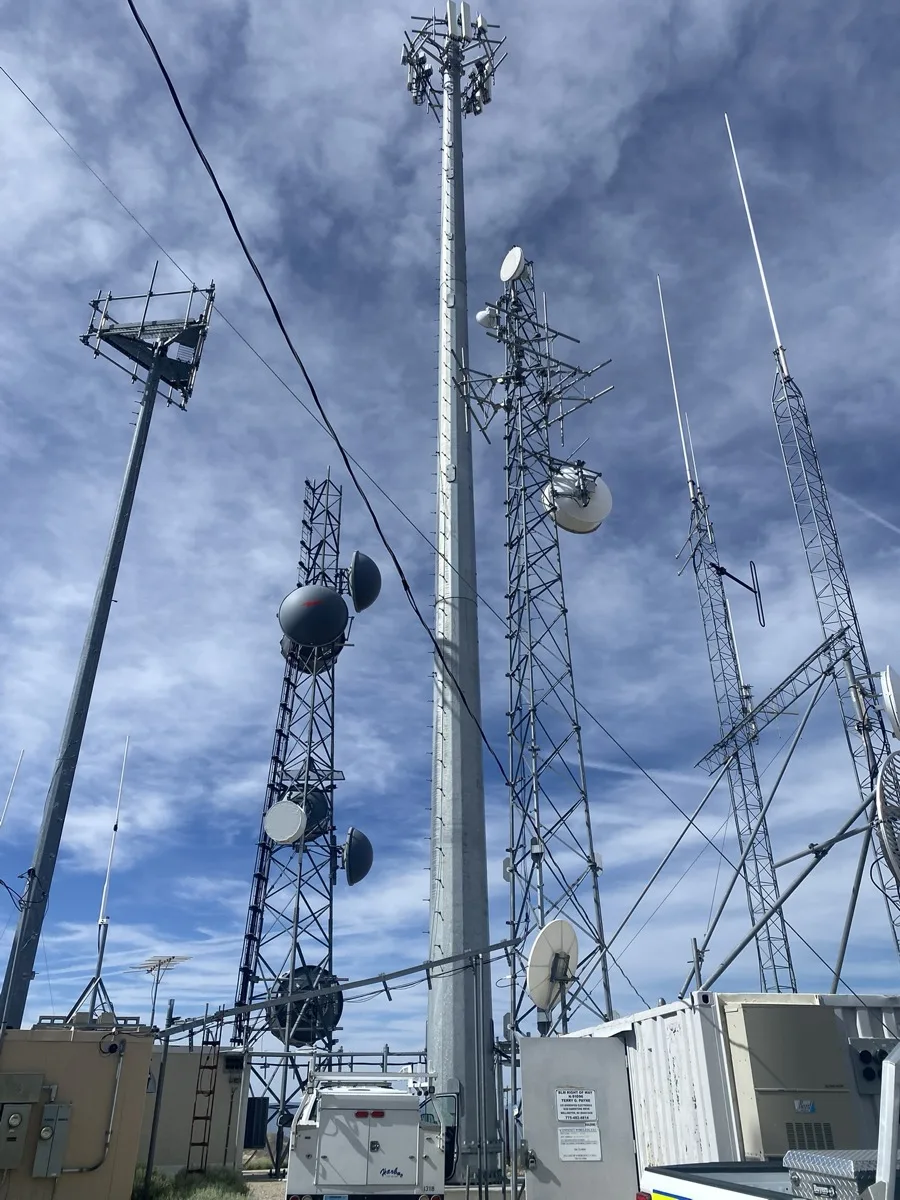
I can definitely appreciate now why you need proper training and certifications to climb these towers. It is not just about the risk of falling or damaging incredibly expensive equipment. Some of those arrays look like things you absolutely do not want to stand in front of while they are transmitting.
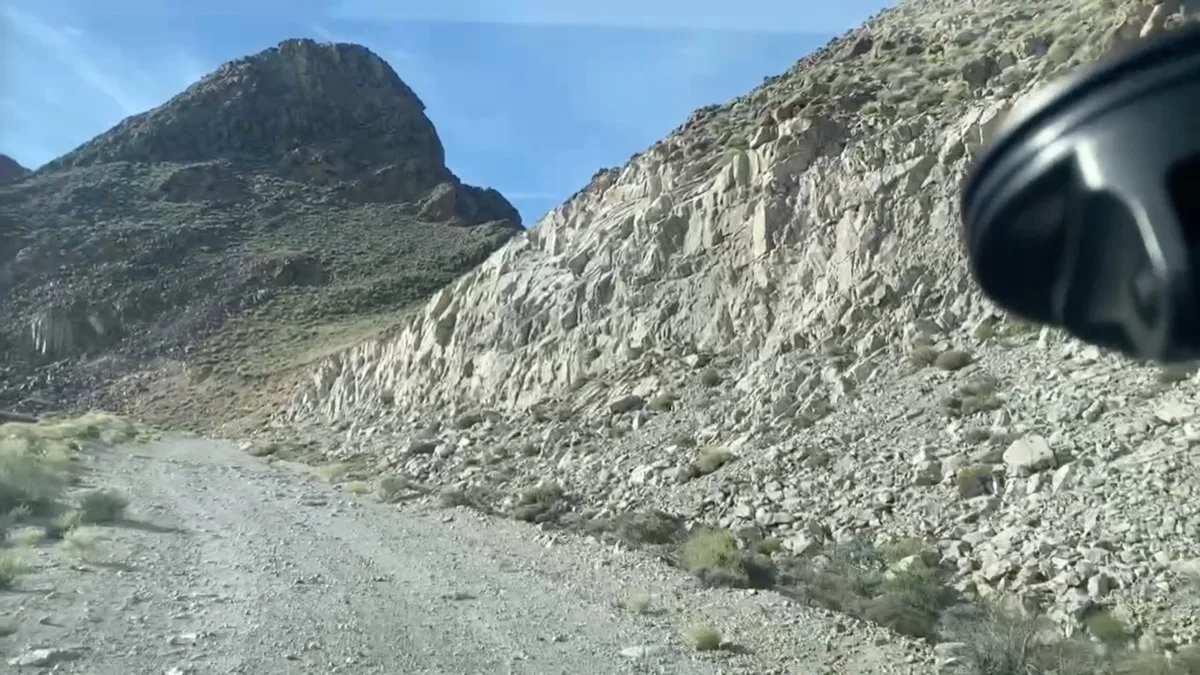
A huge thanks to the Tonopah BLM and the Brock Mountain Users Group for the invitation. It was a fantastic experience, and it gave me a lot of respect for the giants of infrastructure we share the peaks with.