Patrick Tower: Fence Node on the USA Parkway Corridor
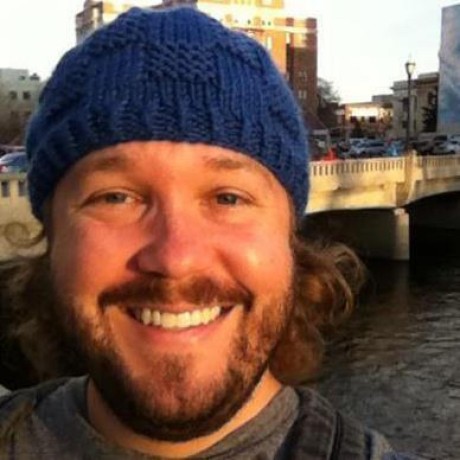
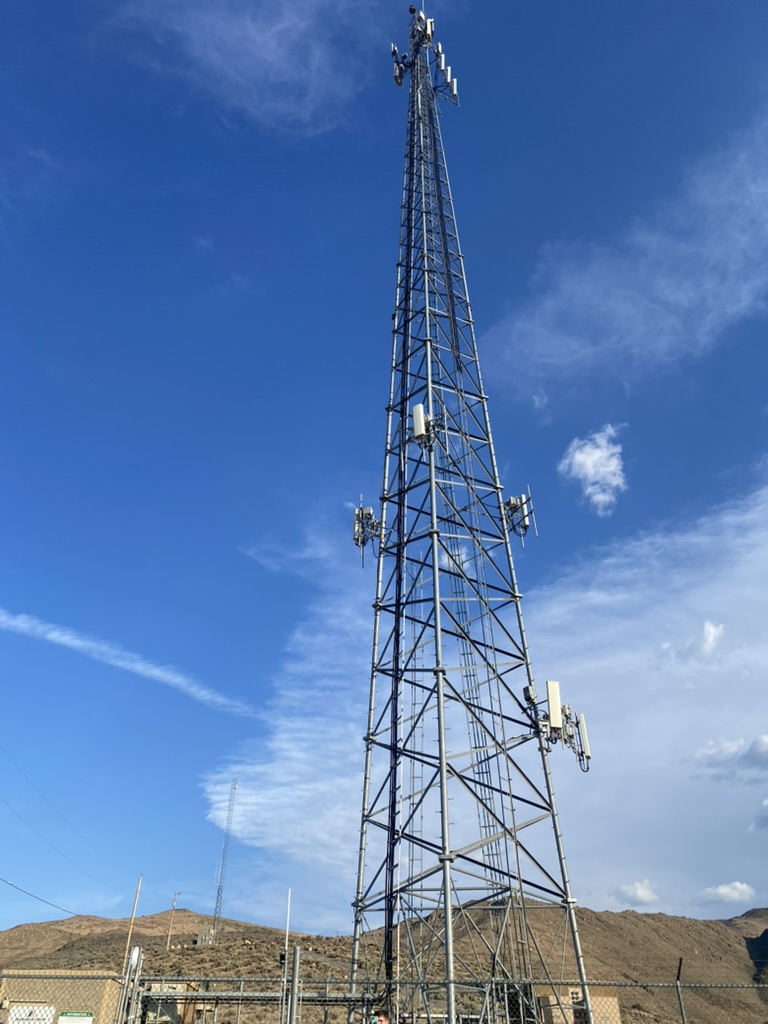
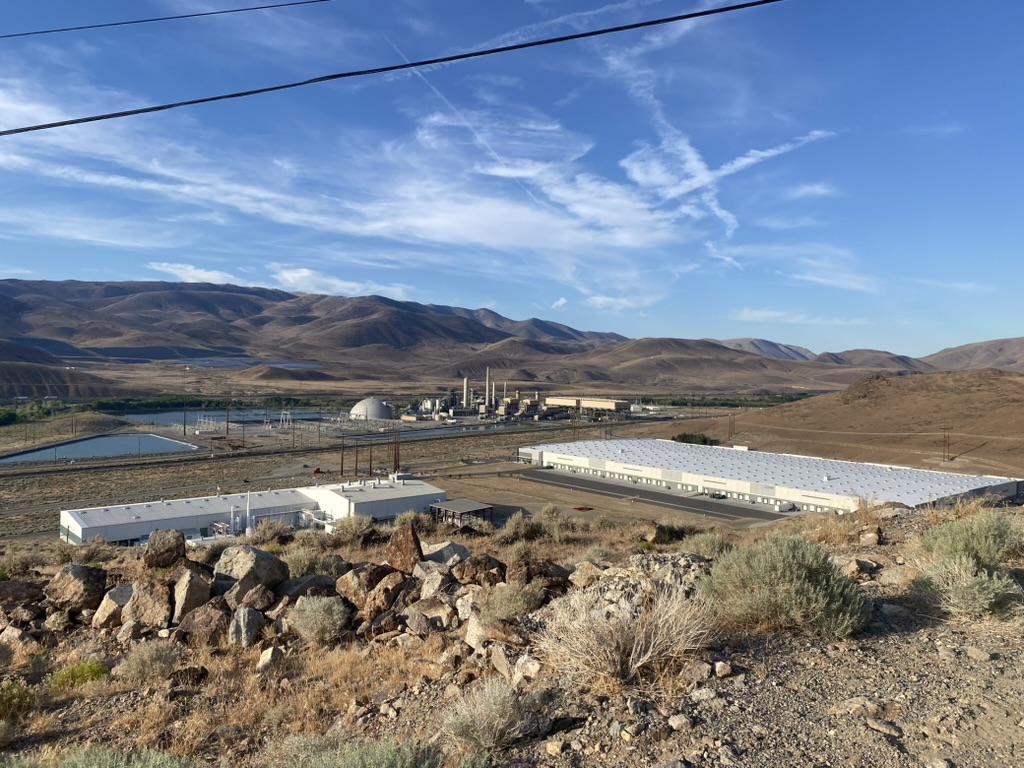
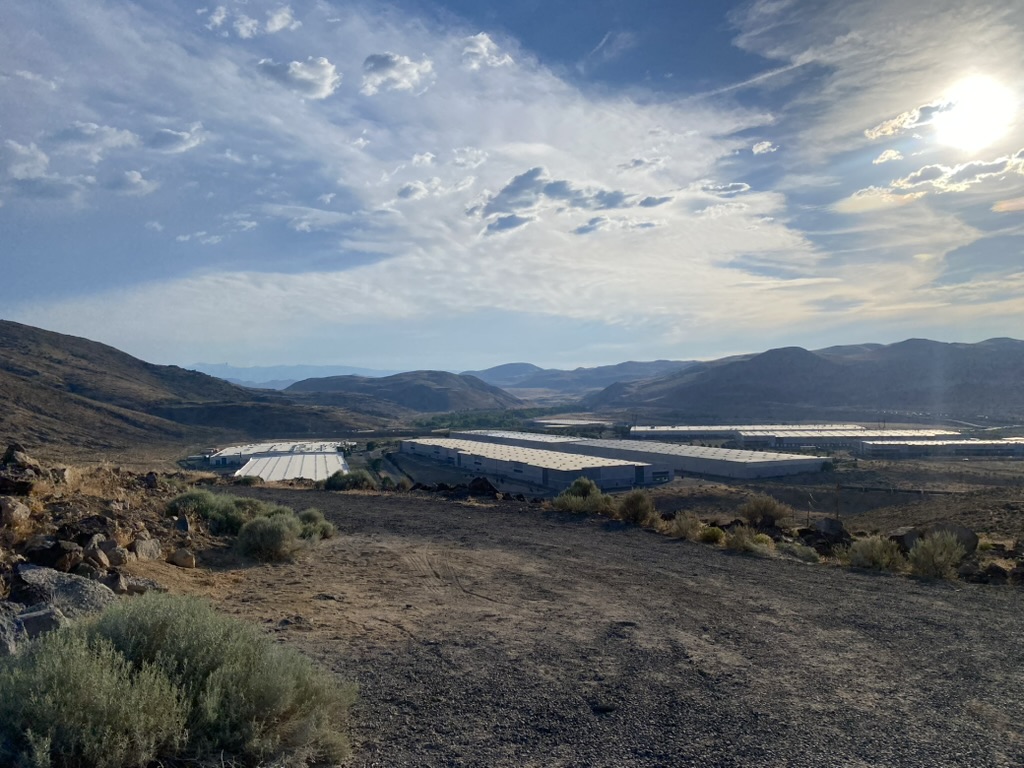
Today we planted a fence node at Patrick Tower, a High Sierra Communications site east of USA Parkway in Storey County. This was an initial site visit: get from zero to one, learn what the location can do, and improve from there. With Dave Metts' generous support, we have another live foothold on the industrial corridor between Reno and the Tahoe Reno Industrial Center. That stretch is filling in fast with logistics, manufacturing, and data center construction. A mesh backbone node here extends coverage toward the Truckee Meadows and the I-80 corridor communities that already depend on Patrick Tower for public safety radio.
Sam and backup gear
My twelve-year-old nephew Sam came along on the trip today. Field work means long drives and long afternoons, and I like bringing family when I can. Before we left, Sam helped mock up the lightsaber-style antennas in the kitchen. That is what we call the tall white fiberglass sticks when they are standing on the counter looking like something out of a space opera. For the photo he clipped the primary and backup nodes together back to back, which makes a saberstaff. That is the special name for a double-ended lightsaber, and it is also a pretty accurate description of how we pack two radios for a site visit.

I try to bring a backup device on every site visit. Sometimes the drive to a tower compound takes hours. Having options on site can be the difference between success today and a return trip next month. Success now or success later is still success. On Patrick Tower we did not need the spare, but I am glad Sam was there to help carry gear and keep the mood light while I walked the fence and fussed with barbed wire.
Walking the fence line
I started the same way we start most High Sierra sites on a first visit. I walked the perimeter from outside the fence line, looking for the best spot to hang a radio. You do not need gate access for that kind of survey. An initial visit is about going from zero to one. Patrick Tower sits near I-80 milepost 28, a Nevada Shared Radio System site that already serves northern Storey County, Vista, Lockwood, Mustang, and the West Reno fringe. Dave's permission to co-locate at his compounds is the whole ballgame. We will come back later for more.
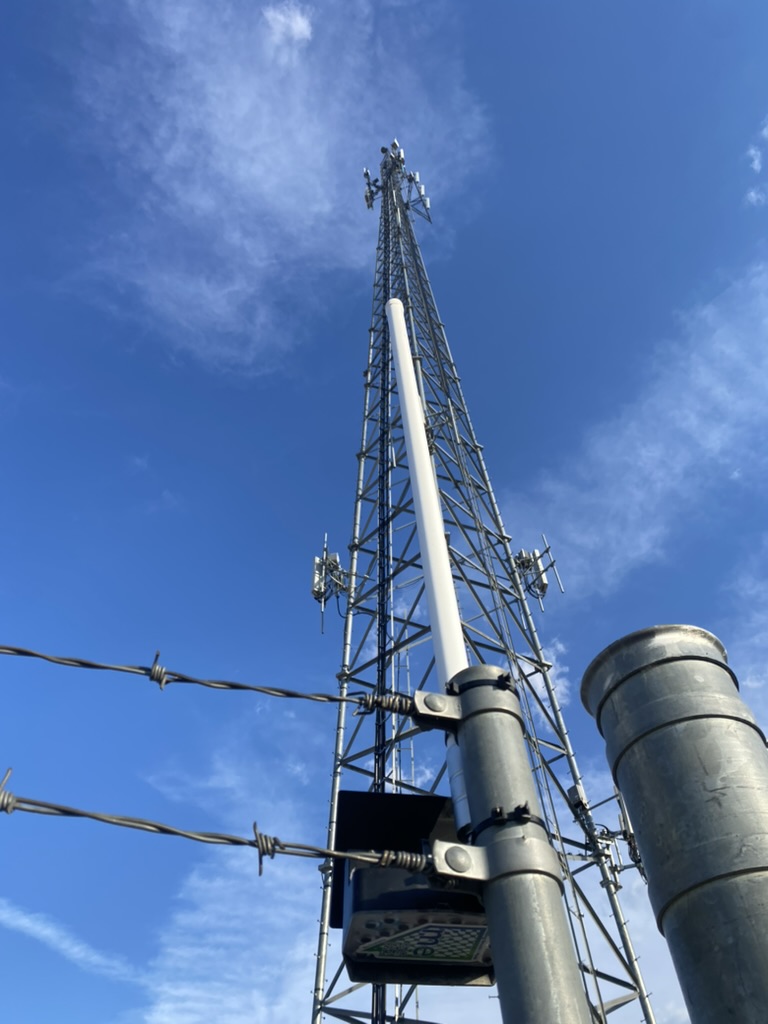
After a few pokes through barbed wire and some fussing with strut hardware, zip ties won the day once again. Inside the team we jokingly call builds like this jank nodes. To us, jank means you can assemble something effective without a trailer full of shop tools. The mount can look scrappy and still be built with intention. Getting something on the air tells us more than another afternoon of spreadsheet modeling.
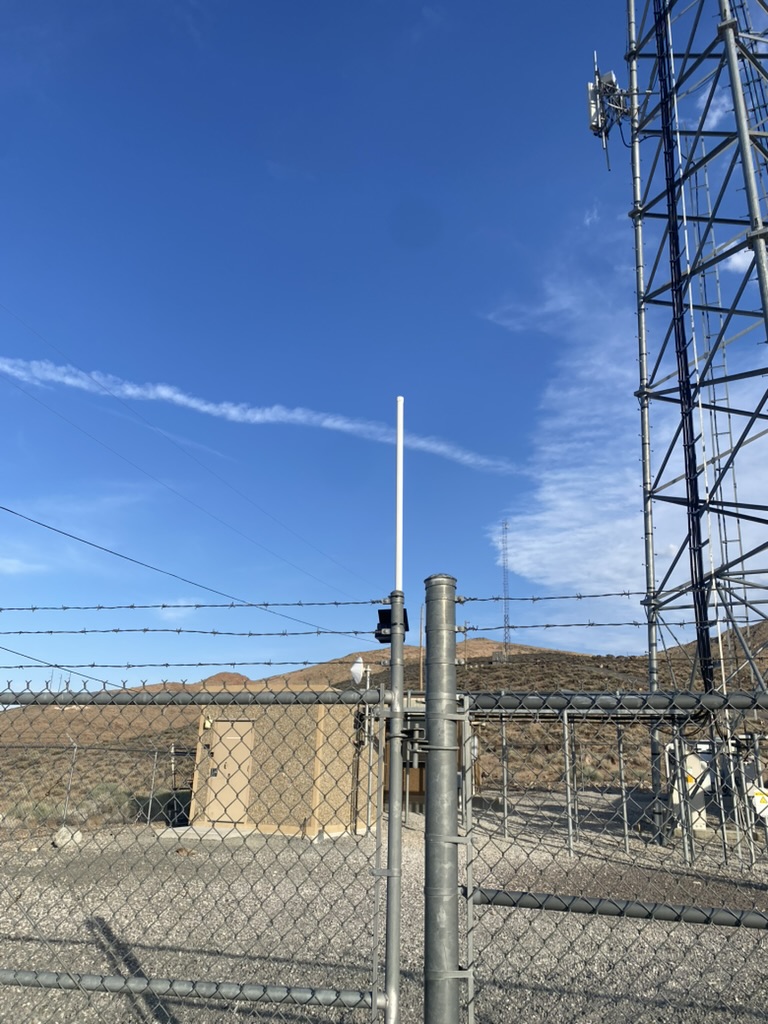
First 8 dBi fiberglass antenna
This install is our first 8 dBi fiberglass antenna, roughly 36 inches long. That is a deliberate step toward tower-mount compatibility. We want gear that tower operators and equipment installers already recognize from their daily work, while keeping the flexibility to install on fences, buildings, rooftops, and T-stakes when a tower climb is not on the calendar yet.
The antenna uses an N-type connector rather than the SMA pigtails we started with on early field builds. N-type is what you see on commercial standoffs and fiberglass collinear antennas everywhere from public safety sites to microwave compounds. Moving in that direction makes later upgrades less of a translation exercise for the people who already maintain gear on these towers.
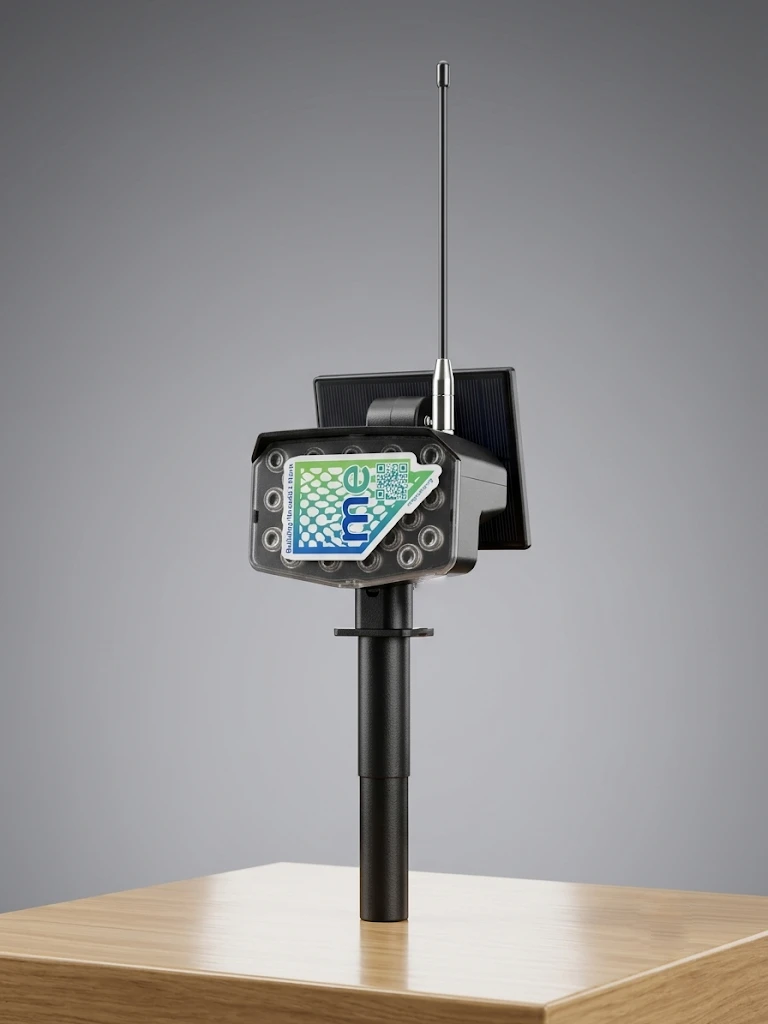
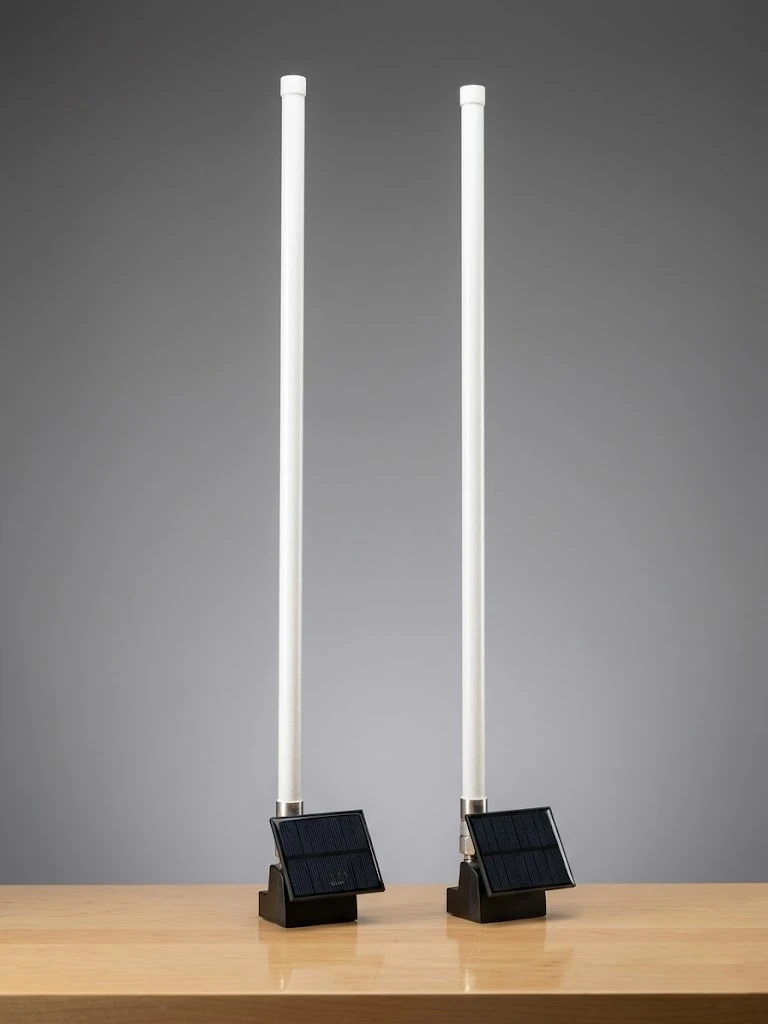
Side by side, the difference is obvious. The original model put a short whip on top of a plastic enclosure and asked the box to carry the load. The new design flips that relationship and borrows mounting logic from commercial tower gear.
Flipping the enclosure
To make the layout work, I flipped the node upside down. The enclosure that used to sit antenna-up now hangs below the mount, and the N-type antenna runs out what used to be the bottom. The two product shots above tell the story.
I do not know if that counts as creative thinking or just stubborn field engineering. It felt creative at the time. The important part is structural. A small plastic enclosure cannot be the mount point for an antenna this tall. The leverage from a 36-inch fiberglass stick under wind load would tear through zip ties and enclosure walls alike. On a tower, the antenna base bolts to a standoff and the radio hangs below it. We copied that logic for the fence.
The antenna base is the mount point. The enclosure merely hangs off the bottom. That is not a problem at all because the enclosure is very lightweight. I got the idea from studying how antennas mount on tower standoffs, and I think it is a viable path forward as we move from SMA to N-type connectors and more robust antennas.
Fence today, tower tomorrow
The thinking behind this design is practical. We can install on a fence or on a structure near the tower today, without waiting for a gate to open or a climber to show up. When a tower operator or equipment installer visits the site for routine maintenance, they can cut the zip ties and move the device up onto the tower. It will already look like familiar equipment and fit their existing mounting hardware. That permanent step is for a later visit. Today was about getting on the air.
That is the same co-location philosophy we use at Peavine Peak, Ophir Hill, and Virginia Peak. None of us at MeshEnvy are tower climbers. We depend on the expertise of the people who already maintain these compounds. Often the fastest path from zero to one is a fence post, not a steel climb.
Patrick Tower covers a different kind of terrain than the high summits. At about 4,578 feet it is a foothill site overlooking basin and highway, not a crest above the playas.
Range check and a mesh already on the air
Every install ends the same way for me. I run a routine range check and set the node's final coordinates as accurately as I can. Accurate placement on the map matters to the community. People routing messages and planning coverage need to know where a node actually sits, not where a guess put it.
During the Patrick Tower check, I picked up four other community nodes already established in the area. MeshEnvy handles the complex permission work that comes with tower compounds and public lands, plus the long backbone links that connect population centers across empty country. The community brings personal and professional relationships to bear on sites we could never reach from a nonprofit office: rooftops, businesses, schools, and the places where people actually live and work.
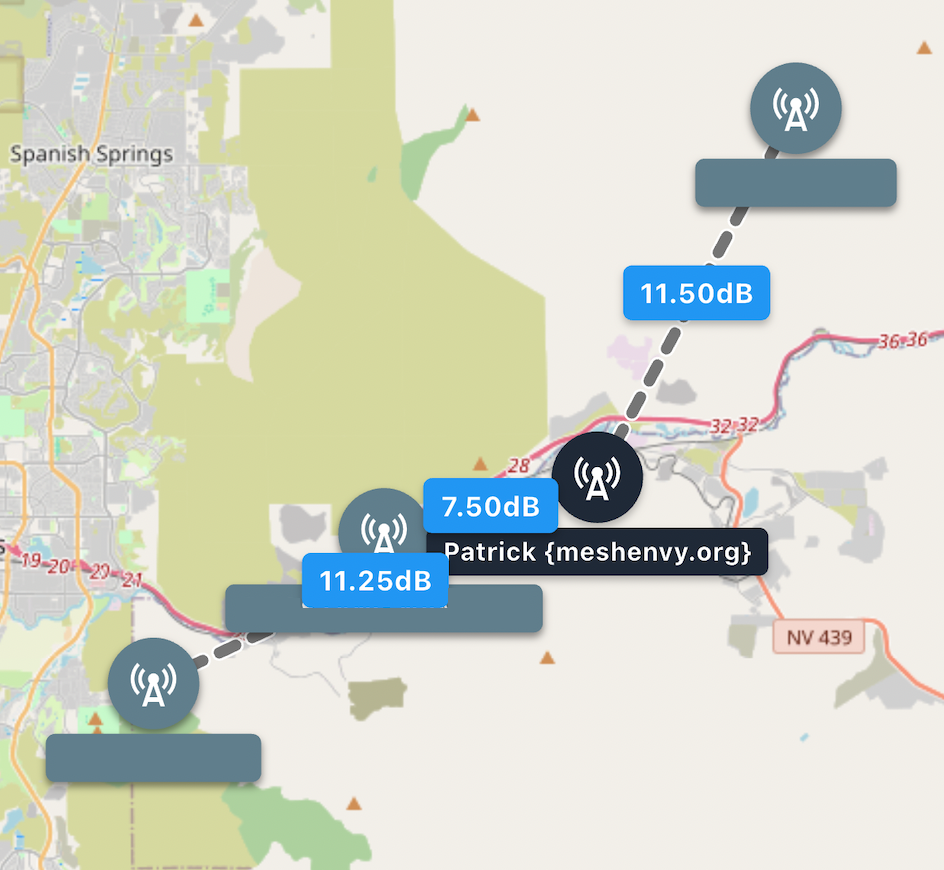
Both halves matter for robust coverage. That is why we are so thankful to tower operators like Dave and to the Bureau of Land Management. They help us secure the premium heights and corridor sites where a single node can serve whole basins. Our BLM Carson Field Office partnership is part of that same picture on public land across the district. Community members handle the rest through the networks they already have. Working together is how we connect all of Nevada.
Thanks

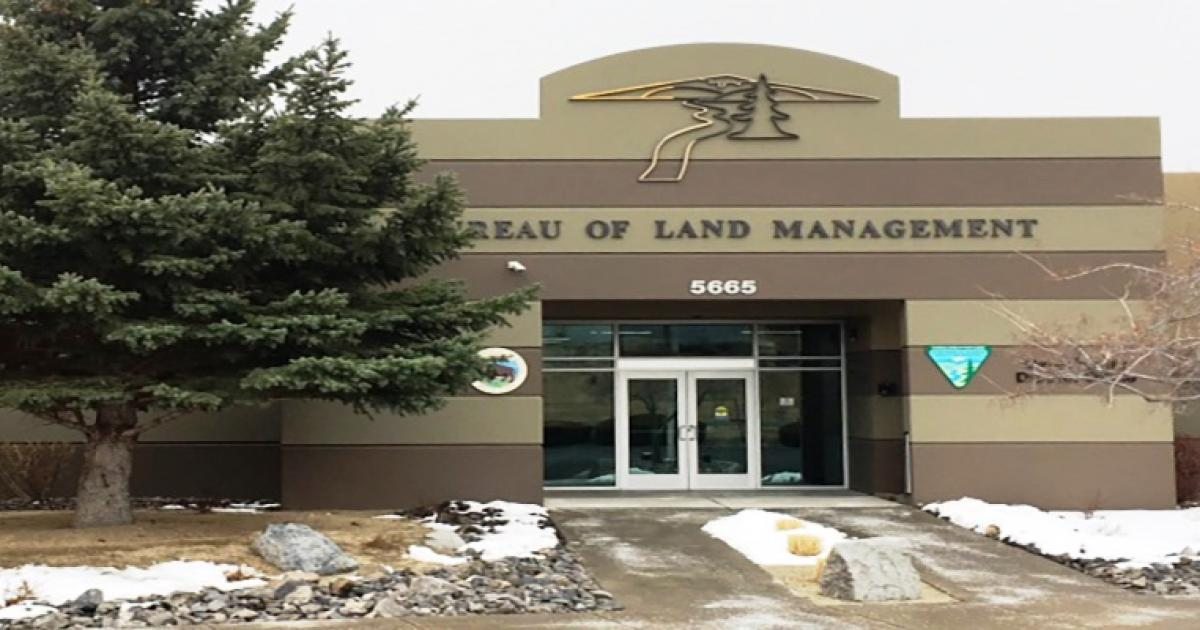
We want to thank Dave Metts and High Sierra Communications for continuing to support the mission to stand anywhere in Nevada and use the mesh. Dave has granted permission to co-locate at compound after compound across Northern Nevada, and Patrick Tower is another example of what that access makes possible. We are also grateful to the BLM Carson Field Office for their role on the public-land sites that make co-location possible alongside the operators who already maintain gear on Nevada summits and corridors.
The mesh grows one site at a time. This one sits on a corridor that is only getting more important, and it already had neighbors on the air when we arrived. Sam made the drive worth it.